
Seamless Steel Tubes: Production, Applications, and Advantages
This article explores seamless steel tubes, covering their definition, manufacturing processes like hot rolling and cold drawing, key materials such as carbon and alloy steel, and diverse applications in industries including oil and gas, automotive, and construction. It highlights advantages such as superior strength, pressure resistance, and absence of weld weaknesses, while addressing market trends and sustainability considerations. The content provides a comprehensive overview for professionals and enthusiasts seeking practical insights.
Feb 24,2026
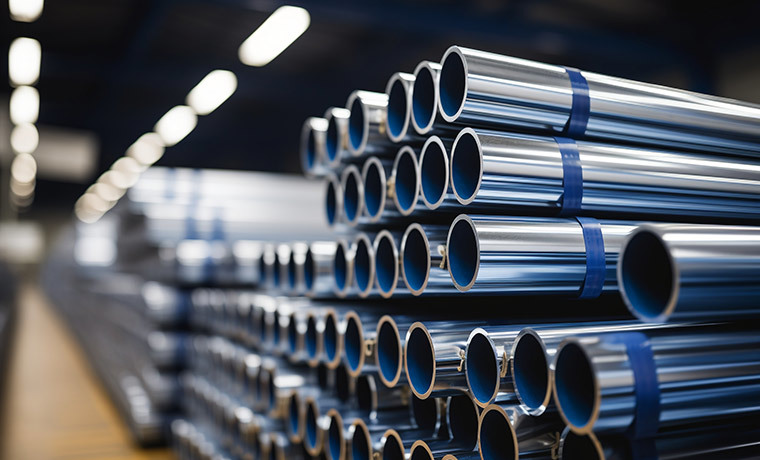
Seamless steel tubes are cylindrical hollow sections manufactured without any welded seams, offering exceptional structural integrity for demanding industrial uses. Unlike welded tubes, they are produced through processes that eliminate joint vulnerabilities, making them ideal for high-pressure and high-temperature environments. This article delves into their production methods, material types, applications, benefits, and evolving industry dynamics.
Manufacturing Processes
The creation of seamless tubes involves several key techniques:
- Hot Rolling: Heated steel billets are pierced and rolled to form tubes at high temperatures, suitable for larger diameters and thicker walls. This method ensures uniform grain structure but may require additional finishing.
- Cold Drawing: Pre-formed tubes are drawn through dies at room temperature to achieve precise dimensions, smoother surfaces, and enhanced mechanical properties. It’s cost-effective for smaller, high-tolerance tubes but slower than hot rolling.
- Other Methods: Include extrusion and pilgering, which refine tube properties for specialized needs like aerospace or nuclear sectors.
Quality control is critical, with standards from organizations like ASTM (e.g., ASTM A106 for high-temperature service) ensuring consistency through non-destructive testing such as ultrasonic or eddy current inspections.
Materials and Types
Seamless tubes are made from various steel grades, categorized by composition:
- Carbon Steel: Common for general applications due to affordability and good strength; grades like ASTM A53 are widely used in plumbing and low-pressure systems.
- Alloy Steel: Enhanced with elements like chromium or molybdenum for corrosion resistance and durability; examples include ASTM A335 for high-temperature pipelines.
- Stainless Steel: Offers superior corrosion resistance, with grades like 304 or 316L ideal for chemical processing or food industries.
Types vary by end-use:
- Standard tubes for structural support.
- Precision tubes for automotive or hydraulic systems.
- High-pressure tubes for oil and gas extraction.
Applications Across Industries
Seamless tubes are indispensable in multiple sectors:
- Oil and Gas: Used in drilling rigs, pipelines, and refineries for transporting fluids under extreme pressures, reducing leak risks.
- Automotive: Essential for fuel injection systems, exhausts, and chassis components, where lightweight strength improves safety and efficiency.
- Construction and Infrastructure: Employed in scaffolding, bridges, and building frameworks for load-bearing reliability.
- Energy and Power: Critical in boilers, heat exchangers, and nuclear plants due to thermal stability.
- Other Fields: Include aerospace (for hydraulic lines), medical devices (like surgical instruments), and renewable energy systems.
Advantages and Challenges
Key benefits drive their preference:
- Strength and Durability: No welded seams mean higher resistance to pressure, fatigue, and impact, extending service life.
- Leak Prevention: Smooth internal surfaces minimize friction and corrosion, ideal for fluid transport.
- Versatility: Adaptable to custom sizes and complex shapes through advanced manufacturing.
- Cost Efficiency: Long-term savings from reduced maintenance and failures outweigh higher initial costs compared to welded alternatives.
However, challenges exist, such as higher production expenses and energy consumption. Innovations like automated mills and eco-friendly practices (e.g., recycling scrap steel) are addressing these, aligning with global sustainability goals.
Market Trends and Future Outlook
The seamless tube market is growing, driven by infrastructure development and energy demands, particularly in emerging economies. Trends include:
- Adoption of digital technologies (e.g., AI in quality control) for precision.
- Focus on lightweight materials for electric vehicles and green energy.
- Regulatory shifts toward stricter safety and environmental standards.
In summary, seamless steel tubes remain vital for modern industry, combining reliability with innovation. As technology advances, their role in sustainable development will expand, underscoring their enduring importance.
PREVIOUS:


Contact: Manager Lu
No. 668 Shihaizi Village, Dongchangfu District, Liaocheng City, Shandong Province


Request Quote
We will contact you within one working day. Please pay attention to your email.